Hälsingland is a region in central Sweden, 2.5 hours north of Stockholm, where the forest meets the Baltic Sea. It has a coastline with 500+ islands, UNESCO-listed decorated farmhouses, and fewer visitors than anywhere else on the Swedish coast worth the trip.
Part of Gävleborg county, Hälsingland sits between the well-known regions people travel to. Not Lapland, not Stockholm. It's the territory in between that most tourists skip entirely, which is precisely why Swedes who know it never talk about it.
The landscape is enormous. The population is sparse. The landscape defines it. You'll find dense pine forest in the west, farmland in the centre, and a rocky archipelago to the east where the land drops into the Baltic. It's the kind of place where you can drive for an hour and see no other car.
How do you get to Hälsingland from Stockholm?
The journey takes 2.5 hours by car or train. The X-tåget (X-train) runs direct from Stockholm Central to Söderhamn, the main town on the coast.
Driving is straightforward. Follow the E4 motorway north from Stockholm, roughly 190 kilometres. The road is easy and the drive is meditative. For the final stretch, the landscape shifts from forest to archipelago.
If you take the train, the X-tåget is efficient. You book online, leave from the centre of Stockholm, and arrive in Söderhamn without the effort of driving. The final 30 kilometres follow the Baltic coast, so you'll see the landscape you're coming to explore before you arrive. Stockholm Arlanda is the nearest airport. There are no domestic flights to Söderhamn. Most people either drive or take the train, and both are straightforward.
Having a car gives you more reach once you're here. You can visit the farmhouses inland, drive to small villages on the coast, and explore the outer islands. Without a car, the main town is accessible, though a rental makes everything easier.
What are the UNESCO decorated farmhouses?
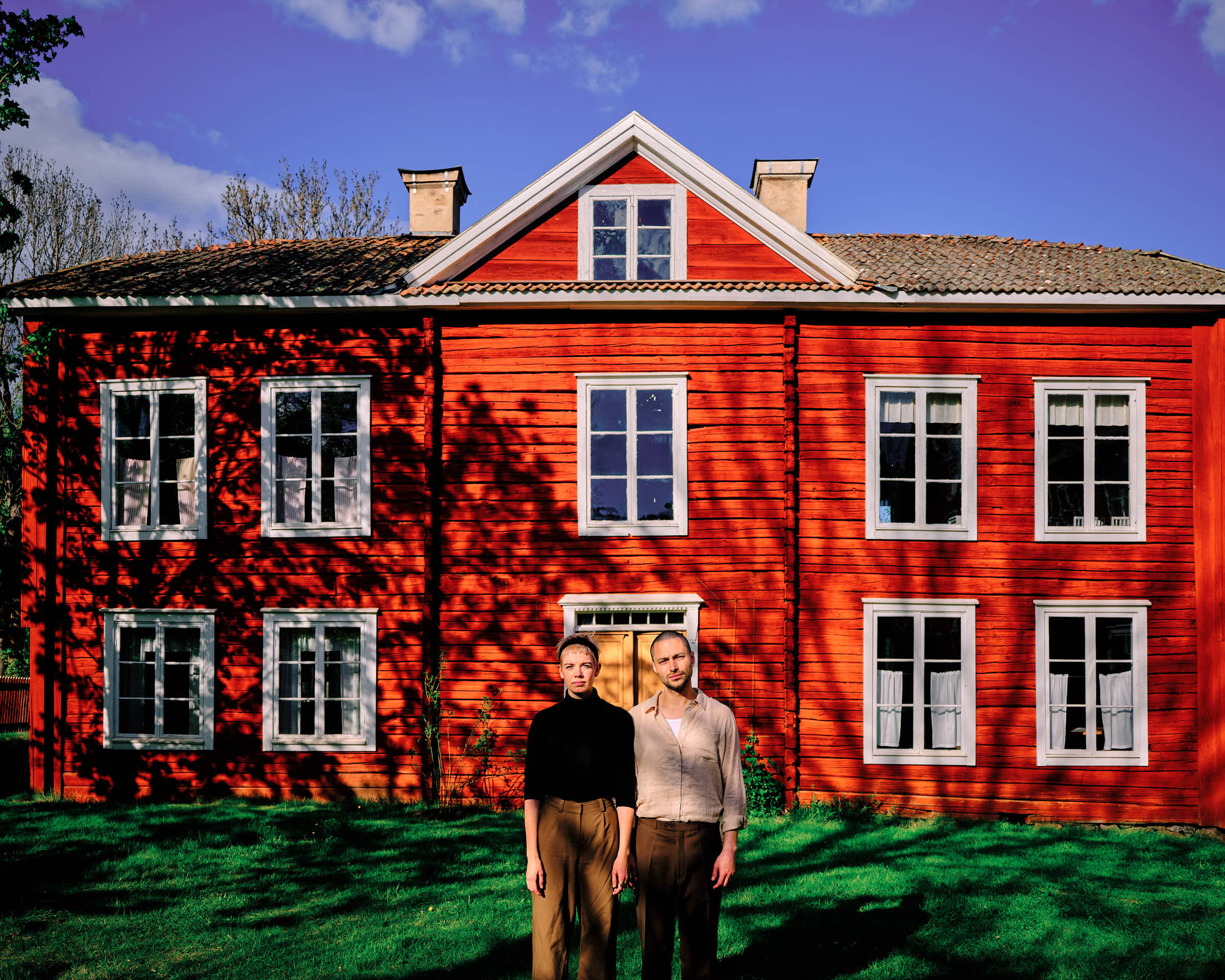
Seven timber farmhouses from the 1800s with painted interiors so elaborate they earned a UNESCO World Heritage listing in 2012. They're known locally as the Hälsingegårdars väg (Hälsingland Farmhouse Trail).
Thousands of these decorated farmhouses still stand across the region, but only seven were selected for the World Heritage designation. The criteria was simple: the painted interiors had to demonstrate centuries of continuous artistic tradition. These seven buildings have it in abundance.
The Hälsingegårdars väg trail connects several farms, most of which are open to visitors. There's a free English-language audio guide available at the trailhead or online. You can walk the trail at your own pace, visiting the farms that interest you. The painted interiors cover the walls and ceilings completely. Biblical scenes, floral murals, geometric patterns in ochre and blue and red. The floors are painted. The doors are painted. The craftsmanship is extraordinary.
Växbo Lin, a working linen mill nearby, is still producing linen the way they did in the 1800s. You can visit, see the looms, and buy direct. Växbo Kvarn offers artisan shops and local food. These aren't museum spaces behind glass. They're living places where people still work and live.
What's on the Hälsingland coast?
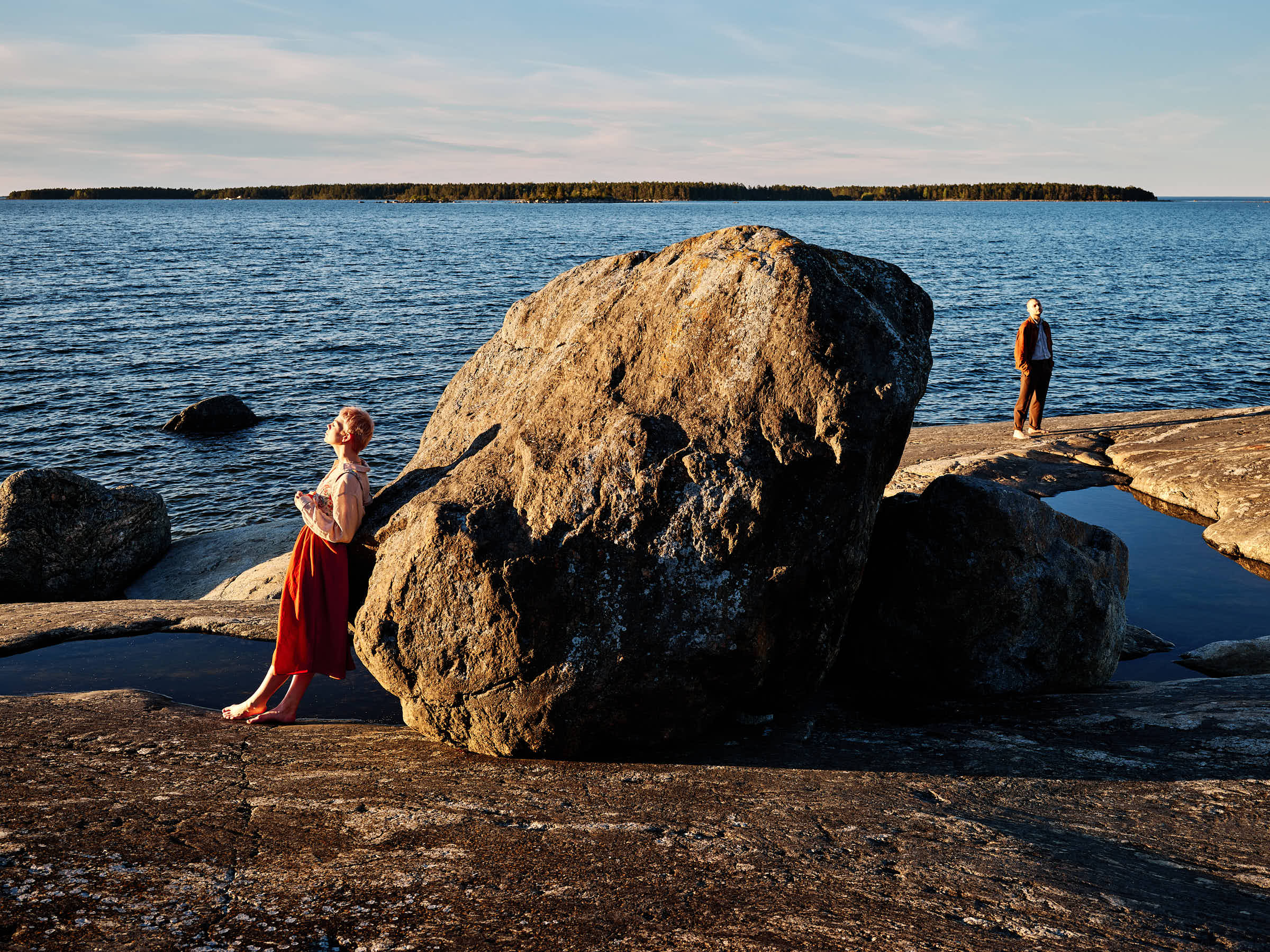
A 500-island archipelago, rocky shoreline, sandy stretches, and some of the quietest water in Sweden. The Söderhamn archipelago stretches from the mainland across dozens of kilometres of Baltic water.
Kayaking is the primary way to explore it. You can rent kayaks from several bases and paddle out to the islands, most of which have wild camping allowed. The water is cold in summer, but swimmable for brief intervals. In winter, the shallows freeze, but the deeper channels stay open. Boat tours leave from Söderhamn and visit the outer islands. Almost no tourists use the archipelago, which means you might spend an entire afternoon without seeing another person.
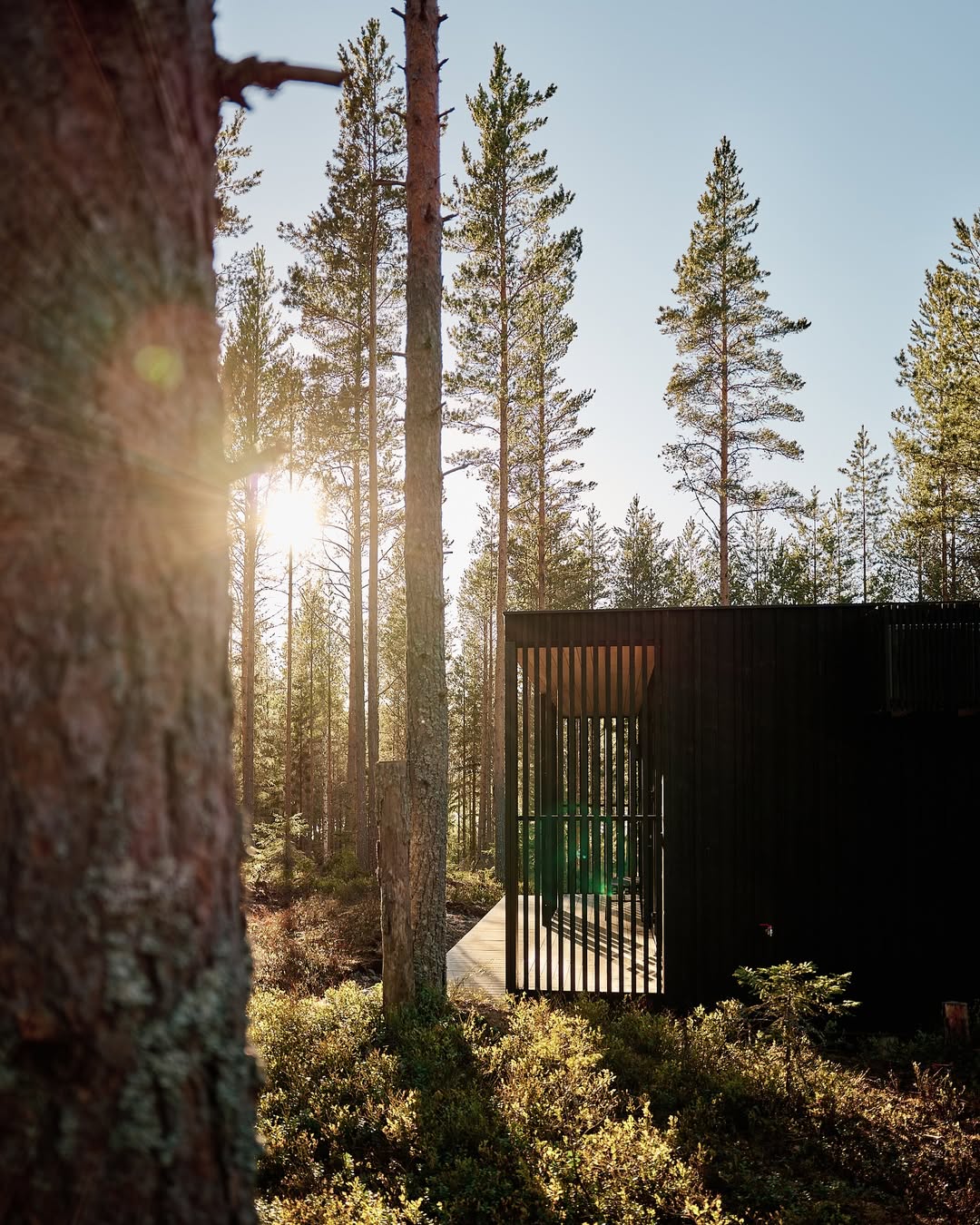
Hop Farm Beach sits in this landscape. The cabin is in forest, 200 metres from the Baltic shore, surrounded by pines and silence. See the cabin page for full details. This is where people stay when they want the coast without the noise.
What can you do in Hälsingland?
More than you'd expect from a region most people can't find on a map.
Beaver safaris. The Voxnan river, which runs through the region, has a growing beaver population. Wildlife Sweden runs guided tours where you paddle quietly at dusk and watch beavers work. They've never had tourists before. Neither have most of the Swedes who live here.
Moose and wildlife tours. Guided trips into the forest with local experts who know where to find them. Spring and autumn offer the best sightings. Winter is possible but harder. These aren't zoo experiences. They're genuine wilderness encounters.
The axe forge at Gränsfors Bruk. In the small village of Hälsingefors, craftspeople still forge axes by hand the way they did 100 years ago. You can visit the workshop, watch the forging, and buy seconds (perfectly functional axes with minor cosmetic faults) at a fraction of the price of perfect ones.
Järvsöbacken ski resort. The main winter destination in the region. Nothing dramatic, but legitimate ski runs and cross-country trails. Winter brings snow reliably, and the surrounding forest is excellent for backcountry skiing.
Järvzoo wildlife park. Nordic animals in natural enclosures. Lynx, wolverines, reindeer, moose, bears. Far less commercial than the major Scandinavian zoos, and the animals have proper space.
The food scene. Farm shops sell local cheese, cured meats, and produce. Smoked fish comes from the coast. Mushrooms and berries are foraged in season. Several small restaurants use local ingredients exclusively.
Forest hiking. Hundreds of kilometres of trails through deep forest, mostly empty. You can walk for a full day and encounter perhaps one other person.
When is the best time to visit Hälsingland?
Every season offers something different. Summer for the coast, autumn for the colour, winter for the silence, spring for the light.
Summer (June to August). Longest days in the world. Twenty hours of daylight in June. The water warms enough to swim, though swimming here still means courage. Midsummer celebrations happen across the region. This is peak season, but peak in Hälsingland means quiet compared to anywhere else in Sweden.
Autumn (September to October). The birch and aspen turn pure gold. The light softens. Mushroom and berry foraging is at its peak. Fewer visitors than summer, though the season is short.
Winter (December to February). Snow falls reliably. The landscape becomes stark and beautiful. Cross-country skiing trails crisscross the forest. Northern lights are possible on clear nights (Hälsingland is far enough north that aurora displays happen occasionally, though it's not guaranteed like further up in Lapland). The darkness is profound and restful.
Spring (March to May). The thaw happens gradually. Ice breaks on the coast in April. First flowers appear in late April. Birds migrate back northward. The days stretch from 10 hours in early March to 18+ hours by late May. Spring is the quietest season of all. People aren't expecting the landscape to be beautiful yet, so it belongs entirely to you. Spring in Sweden offers particular charm on the Baltic coast.
Where should you stay in Hälsingland?
Accommodation options range from traditional farmhouse bed and breakfasts to modern cabins on the coast.
Söderhamn has hotels and hostels if you want to stay in town. Small villages have family-run guesthouses. Several working farms let rooms and cook dinner with ingredients from their own land.
Hälsingland sits in central-north Sweden, at roughly the same latitude as Anchorage, Alaska. The Gulf Stream moderates the climate significantly, so the winters are cold but manageable, and the summers are warm. It's far enough north for midnight sun in June and aurora activity in winter, but the weather isn't as extreme as true northern Scandinavia.
Do people speak English in Hälsingland?
Yes. English is widely spoken across Sweden, including in small towns like Söderhamn and surrounding villages. You won't have communication difficulties. Many people speak excellent English, and nearly everyone understands it.
Is Hälsingland expensive to visit?
It's significantly less expensive than Stockholm or Lapland. Accommodation costs less, food costs less, and activities are more affordable. You won't encounter the tourist-area pricing that inflates costs in more famous destinations. Local restaurants are cheap compared to Scandinavian standards elsewhere.
Can you see the northern lights from Hälsingland?
Occasionally, yes. Hälsingland is far enough north that aurora displays are visible on clear winter nights, particularly in December, January, and February. It's not guaranteed like it would be further north in Abisko or Kiruna, but displays do happen. Clear skies are more common in winter than cloudy ones.
Is there mobile signal at Hop Farm Beach?
Yes, mobile coverage is reliable throughout Hälsingland. The cabin has no WiFi by design, but your phone will work on the mobile network if you need to make a call or send a message. Most guests choose to leave their phones in a drawer for the duration of their stay.
Cole Roberts
Photographer and founder of Hop Farm Beach, a private cabin retreat on the Swedish Baltic coast. Cole moved to Hälsingland from England in 2010 and has lived there continuously since. He founded Hop Farm Beach to create a place where people could experience the region without the distractions of technology or tourism infrastructure. His photography focuses on landscape, seasons, and the quiet beauty of somewhere most people have never heard of. Connect with Cole on Nordica Photography.