Is spring a good time to visit Sweden?
Yes. Spring is the season most travellers skip, which is exactly why it's worth booking.
Most people plan Sweden trips for summer (midnight sun) or winter (snow and northern lights). Spring falls between the two and gets overlooked. That's a mistake. The coast between March and May is quiet, beautiful, and available. This is when the forest turns green again and the birds come back. Longer days. No queues. Lower prices. A landscape in the middle of waking up.
If you want to know what Sweden feels like when nobody else is looking, spring is when you see it.
What does spring look like on the Baltic coast?
Ice breaking, days stretching, and the first green pushing through. It changes week by week.
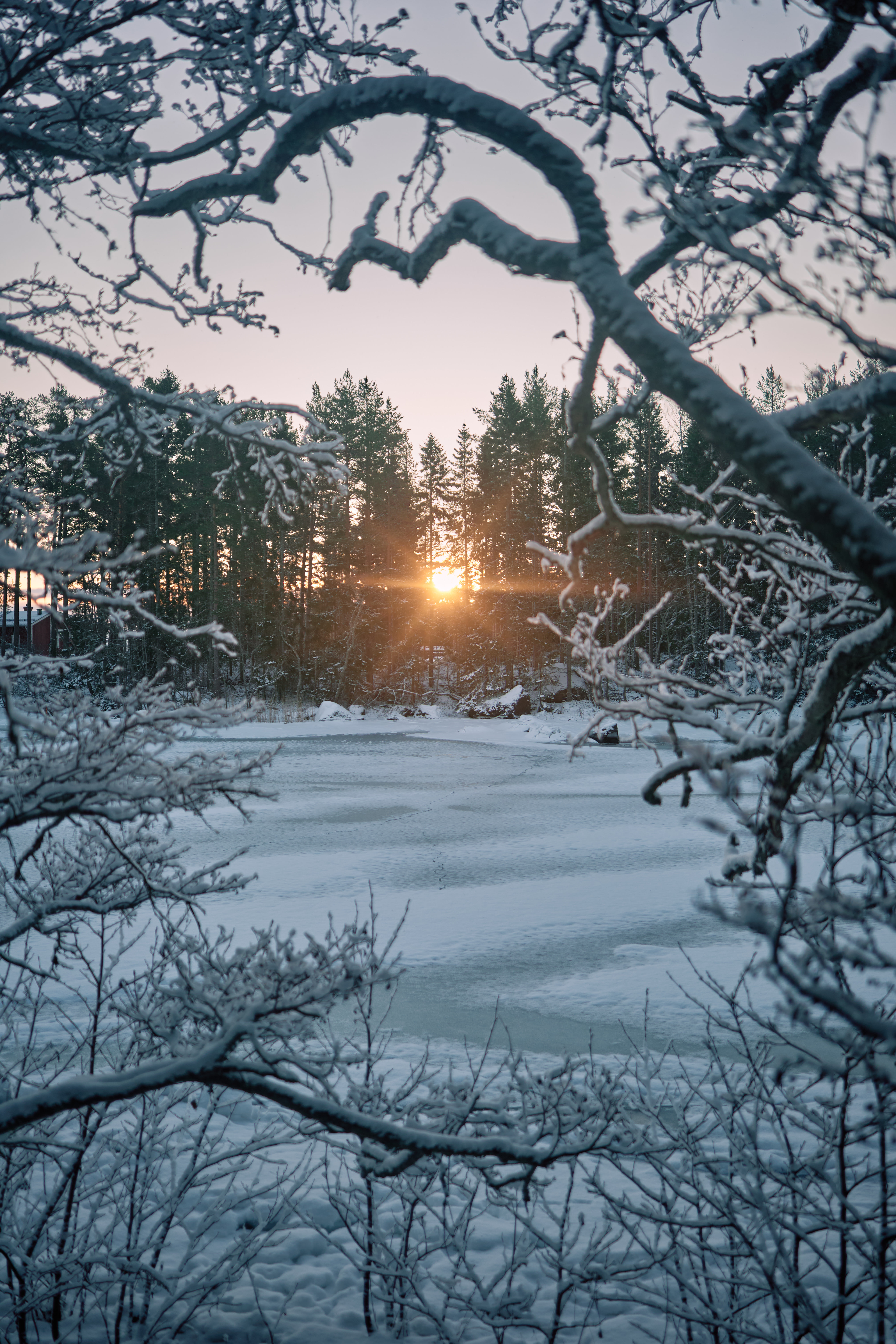
March: Snow still on the ground in the mornings, but melting by midday. The sea is grey and cold. Days are around 10 to 12 hours. Air temperature hovers around 0 to 5 degrees Celsius. The light is soft and low, the kind that photographers fly across the world to chase. You can watch the thaw happen in real time.
April: The thaw accelerates. Wildflowers start appearing in the meadows. Migrating cranes pass through on their way north (Hornborgasjön is the famous stop, but you'll see them along the coast too). Temperature climbs to 5 to 10 degrees Celsius. Days stretch past 14 hours. April 30 is Walpurgis Night, or Valborg, when locals light bonfires on the coast to welcome spring officially. It's the closest Sweden gets to a national spring party.
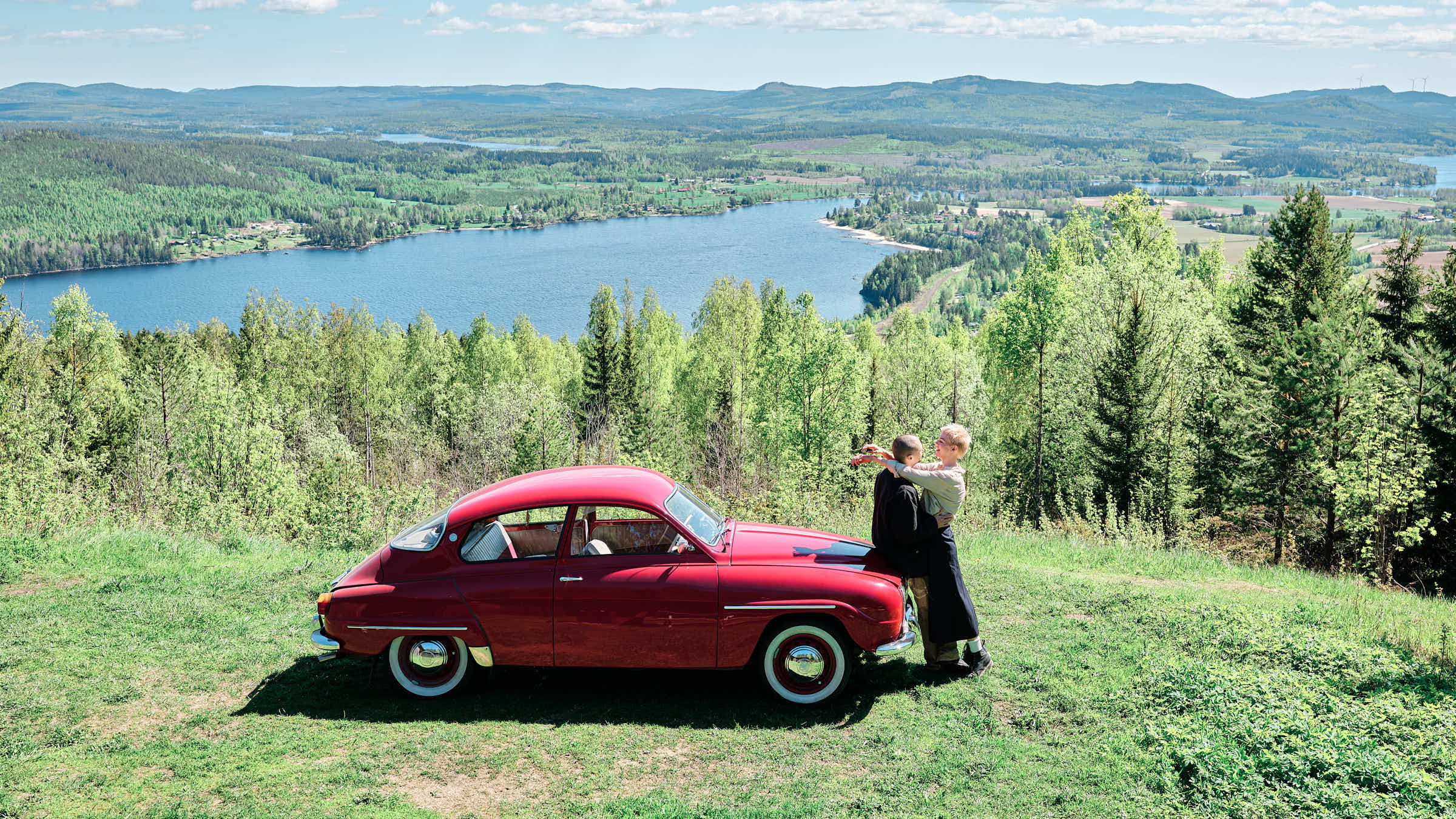
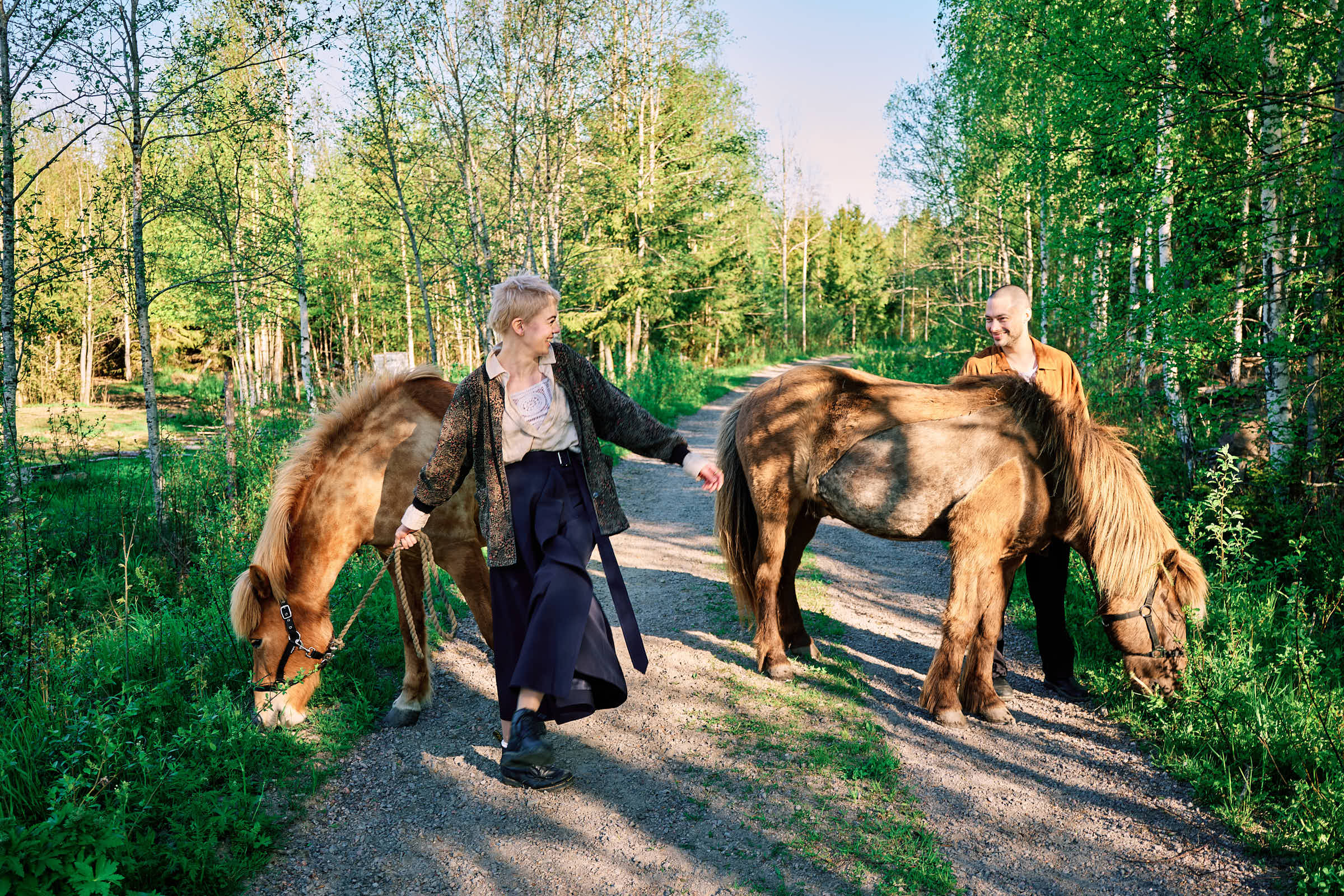
May: Green everywhere. The birch trees leaf out almost overnight, sometimes within days. Temperature reaches 10 to 16 degrees Celsius. Days are 16 to 18 hours or more by late May. The Baltic warms enough for the brave. This is when the coast feels most alive, but still without the summer crowds.
How does the daylight change from March to May?
Dramatically. From 10 hours of daylight in early March to more than 18 hours by late May. On the Baltic coast, the change is visible week to week.
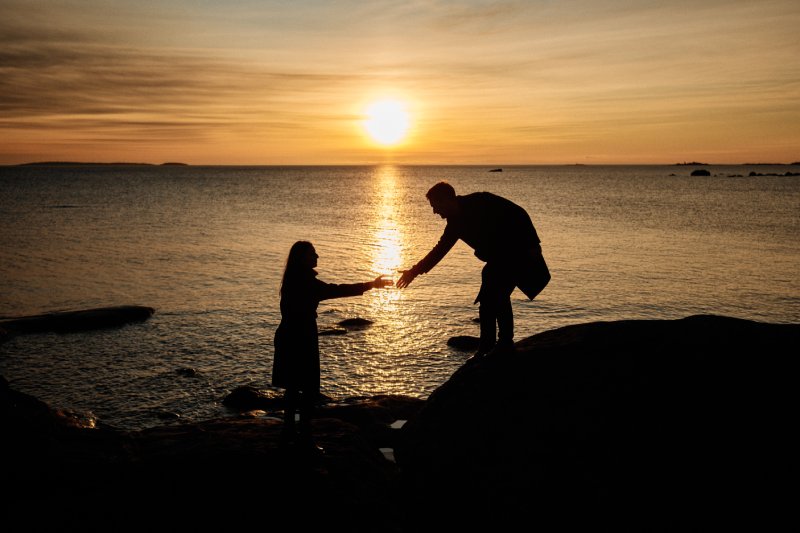
At this latitude (61 degrees north, roughly level with Anchorage), daylight shifts fast in spring. By mid-April, it's light until 9pm. By May, the sky barely gets dark. For photographers, spring light is extraordinary: low, golden, lingering. For everyone else, the extra daylight changes how a day feels. You sleep when you're tired, not when it gets dark. Afternoons stretch. Evening walks happen at times that feel impossible in winter.
This is what jet lag from the sun feels like, and it rewires your body in the best way.
What can you do in Sweden in spring?
Walk the coast without seeing another person. Light the sauna. Watch the birds come back. Cook dinner and eat it outside for the first time since October.
Coastal walks: The paths along the Baltic shore are empty. No summer tourists, no crowded overlooks. Rocky beaches, pine forest, archipelago views. You'll walk for hours without meeting another person.
Birdwatching: Cranes, geese, waders returning from the south. The archipelago is a nesting ground. Spring migration is one of the best wildlife events on the Swedish coast, and it's happening while the place is quiet.
Sauna: Still cold enough for the hot-cold contrast to bite properly. A wood-fired sauna in March, a cold outdoor shower, the sensation of steam meeting cold air. Spring saunas are different from summer ones. The cold is real. The heat matters.
Foraging: Wild garlic appears in April. Nettles in May. Mushrooms come later, but spring is when the plants start returning. Local knowledge helps, but the season offers something almost every walk.
Fishing: Pike season opens in spring. Sea trout run along the coast. If fishing matters to you, spring is when the water comes alive.
Walpurgis Night (April 30): Bonfires on the shore, community gatherings, the official start of Swedish spring. It's local and genuine, not a manufactured tourist event.
Easter traditions: If you're here at Easter, the countryside has real traditions. Painted eggs, birch branches in corners, local church services. The kind of spring ritual that survives because people still do it, not because it was marketed.
Why is spring the best time if you want the place to yourself?
Because nobody comes. Summer is high season. Winter has the northern lights crowd. Spring is when the coast belongs to whoever shows up.
Hop Farm Beach is private year-round. One cabin, no neighbours. But in spring, the entire region is quiet. The hiking trails are empty. The archipelago islands are deserted. Söderhamn, the nearest town, is small anyway and feels even smaller in spring. If you want total quiet, the kind where the only sound is the Baltic on the rocks and the birds starting their nesting, spring is when you get it.
This quietness is worth more than it costs.
What should you pack for spring in Sweden?
Layers. The temperature swings from near freezing in the morning to 15 degrees Celsius in the afternoon. Dress for both.
Warm base layers (merino wool if you have it), a wind-proof outer layer, waterproof boots (the ground is thawing, so paths are muddy). A swimsuit for the sauna and cold shower. A good camera if you have one. Spring light on the coast is some of the best in the year. Sunglasses too: the reflection off water and any remaining snow is bright. Bring food and drinks from town. The cabin has a kitchenette but no nearby shops.
And bring something to read for the quiet evenings when the light finally fades.